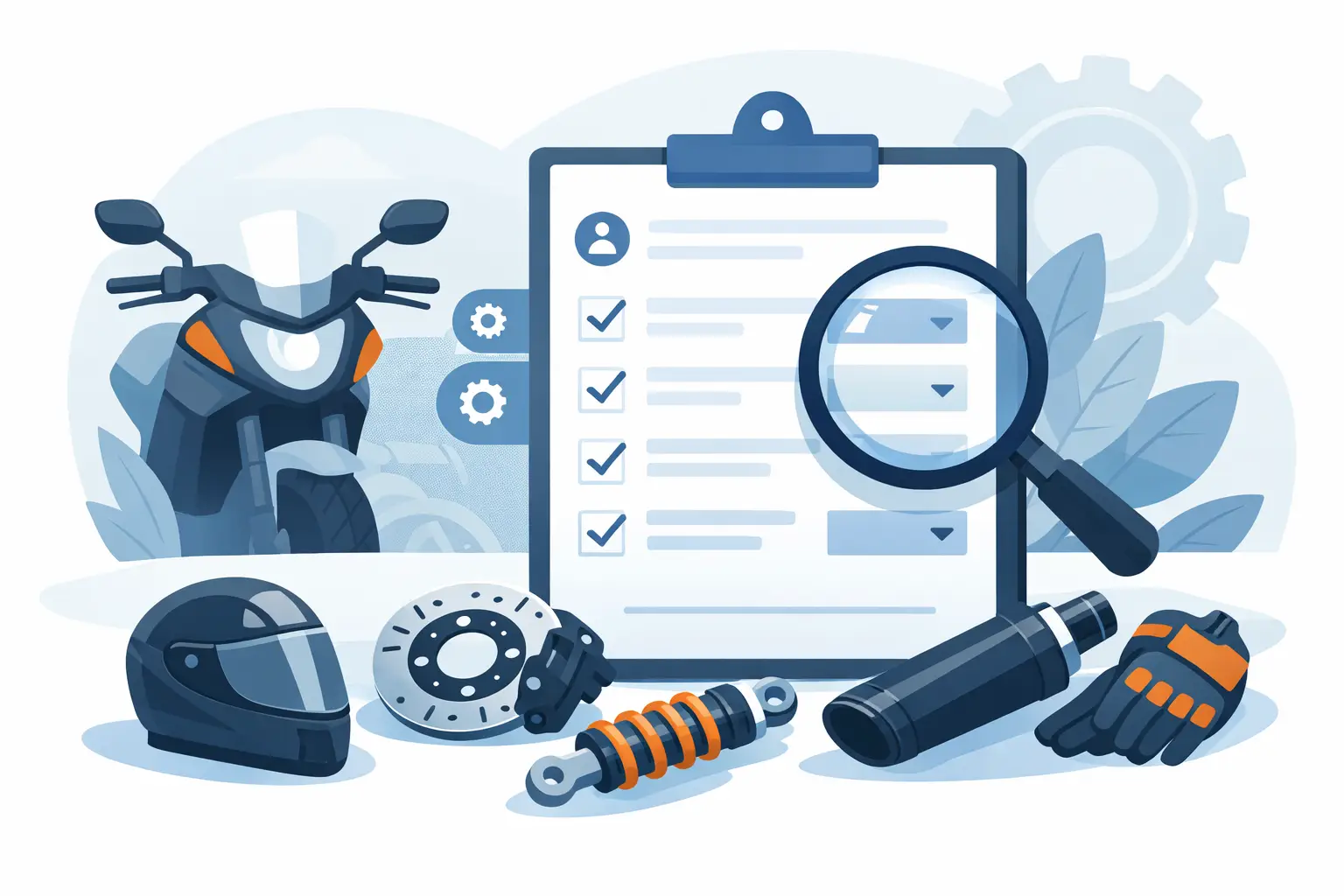
A motorcycle parts request form is more than a quick way to ask whether an item is in stock. When it includes the right bike and fitment details, it gives a parts department a clear starting point to locate the correct component, confirm compatibility, and help you avoid an order that does not belong on your motorcycle.
That matters whether you are replacing a worn brake pad, adding passenger comfort, repairing a touring bike after a tip-over, or planning a personalized build. Modern motorcycles are precise machines. A part that looks nearly identical in a photo can differ by model year, trim, engine configuration, wheel size, or factory accessory package.
Why a motorcycle parts request form saves time
The fastest parts order is usually the one that is correct the first time. A well-completed request lets the dealership check parts catalogs, inventory, and expected availability before anyone makes assumptions about fitment.
For riders, that means fewer return trips and less downtime. For the parts team, it means they can respond with useful information instead of sending several messages to gather basics that should have been included at the start. If installation is part of the plan, the request can also help the service department determine whether additional hardware, labor, programming, or scheduling is needed.
It is especially useful when a motorcycle has had previous modifications. Saddlebags, handlebars, exhaust systems, lighting, wheels, suspension components, and aftermarket seats can all affect which replacement or accessory parts will work properly. The right answer is not always the lowest-priced part on the page. It is the part that fits your bike, supports how you ride, and does not create a problem elsewhere.
What to include on a motorcycle parts request form
A vague request such as “I need a mirror for my Indian” may be enough to begin a conversation, but it will not reliably identify the part. Give the parts team enough information to narrow the search without guessing.
Start with complete motorcycle details
Include the year, make, model, and trim of your motorcycle. If you have the vehicle identification number, add it. The VIN is often the most dependable way to verify exact factory configuration, especially when model names, paint options, or production changes overlap from one year to the next.
Mileage can also be helpful for wear-related components. If you are requesting service items such as tires, brake components, a battery, belts, filters, or fluids, mention whether the motorcycle is stock or has been modified.
Describe the part and the reason you need it
Name the component if you know it, but plain-language descriptions are useful too. Explain whether the part is damaged, missing, worn out, needed for scheduled maintenance, or being purchased as an upgrade.
For example, “right-side saddlebag latch damaged in a parking-lot drop” gives a better starting point than “need bag hardware.” Likewise, “looking for a lower seat for a 30-inch inseam” tells the team that rider ergonomics matter, not just appearance.
Photos can be valuable when a part is broken or when you are trying to identify an existing accessory. Take a clear picture of the affected area, any part numbers, mounting points, and the full motorcycle if its setup may affect fitment. Good images reduce guesswork, but they do not replace the model and VIN information needed for catalog confirmation.
State your preference for OEM or aftermarket options
Original equipment manufacturer parts are designed for a specific application and are often the straightforward choice for repairs, warranty-sensitive work, and factory-quality restoration. They can also be the right option when a component integrates with motorcycle electronics, safety systems, or proprietary mounting hardware.
Aftermarket parts may offer a different style, price point, finish, or performance goal. The trade-off is that quality and fitment vary widely. A good request form lets you say whether you prefer genuine factory parts, are open to aftermarket alternatives, or want both options quoted before deciding.
Tell the dealership your timing and installation needs
If your bike is down and you need a repair part quickly, say so. If the request is for a winter project or a trip several months away, that context helps the team prioritize the response and discuss availability realistically.
Also specify whether you plan to install the part yourself or want dealership installation. Some items are simple owner projects. Others require specialized tools, torque procedures, alignment, software calibration, or a trained technician. Asking early can prevent a small upgrade from turning into an incomplete weekend job.
Fitment is not the same as appearance
Motorcycle accessories are often marketed with broad descriptions, but broad descriptions can create expensive mistakes. A windshield may fit one Bagger but not another without a different mounting kit. A passenger backrest can require a specific rack or luggage setup. Engine guards, floorboards, and exhaust systems may conflict with one another depending on the motorcycle’s existing equipment.
Electrical parts deserve additional care. Lighting, heated accessories, audio components, battery chargers, and control modules may need model-specific wiring, connectors, relays, or software updates. Never assume a plug that looks familiar is safe to use. Correct electrical fitment protects the motorcycle and helps preserve reliable operation on the road.
Safety-critical parts should receive the same level of attention. Tires, brake components, steering parts, suspension pieces, and load-bearing luggage hardware are not the place to compromise on unknown compatibility. If you are uncertain, include your riding style and intended use in the request. A rider who spends long days touring two-up with luggage needs a different conversation than someone setting up a bike for short local rides.
Common requests that benefit from dealer guidance
Some parts requests are simple: a replacement key fob battery, oil filter, or approved touch-up item. Other requests are connected to multiple components and benefit from an experienced parts counter and service team.
Comfort upgrades are a good example. A new seat might change rider reach to the bars, passenger position, or access to luggage. A handlebar change can involve cables, brake lines, heated grips, controls, and electrical routing. A performance exhaust may affect sound level, tuning needs, local regulations, and compatibility with other intake or engine upgrades.
Touring accessories also deserve a full-picture approach. Before ordering a trunk, rack, backrest, luggage liner, or windshield, consider passenger needs, cargo weight, weather protection, and what is already mounted on the motorcycle. The best setup is one that works together, not a collection of parts that happen to fit individually.
How to get a useful response faster
Submit the form with accurate contact information and your preferred contact method. If a phone call is easiest, say so. If you need a written quote to compare options or plan a project budget, request that upfront.
Be open about your budget, but do not reduce the request to a single dollar amount. Let the dealership know whether you are looking for the best factory-match replacement, a value-oriented alternative, or a premium upgrade. That gives the team room to recommend options that make sense for your bike instead of presenting a part that misses the goal.
Before approving an order, confirm the item description, quantity, finish or color, expected arrival, and any additional pieces required for installation. Ask whether the item is returnable if it is unopened. Special-order policies can vary, particularly for painted parts, electronics, and components ordered specifically for a VIN.
Parts support that continues after the sale
Owning a motorcycle means occasional maintenance, unexpected repairs, and plenty of reasons to make the bike more your own. A local dealership can help connect those needs, from locating the correct component to scheduling installation and checking how a new accessory affects the rest of the motorcycle.
At Denton Indian Motorcycle, a detailed request gives the team the information needed to start the right conversation – whether you are keeping a trusted bike road-ready or preparing it for the next long ride. Take a minute to provide the specifics. It is a small step that can save days of delays and put the right part in your hands with greater confidence.