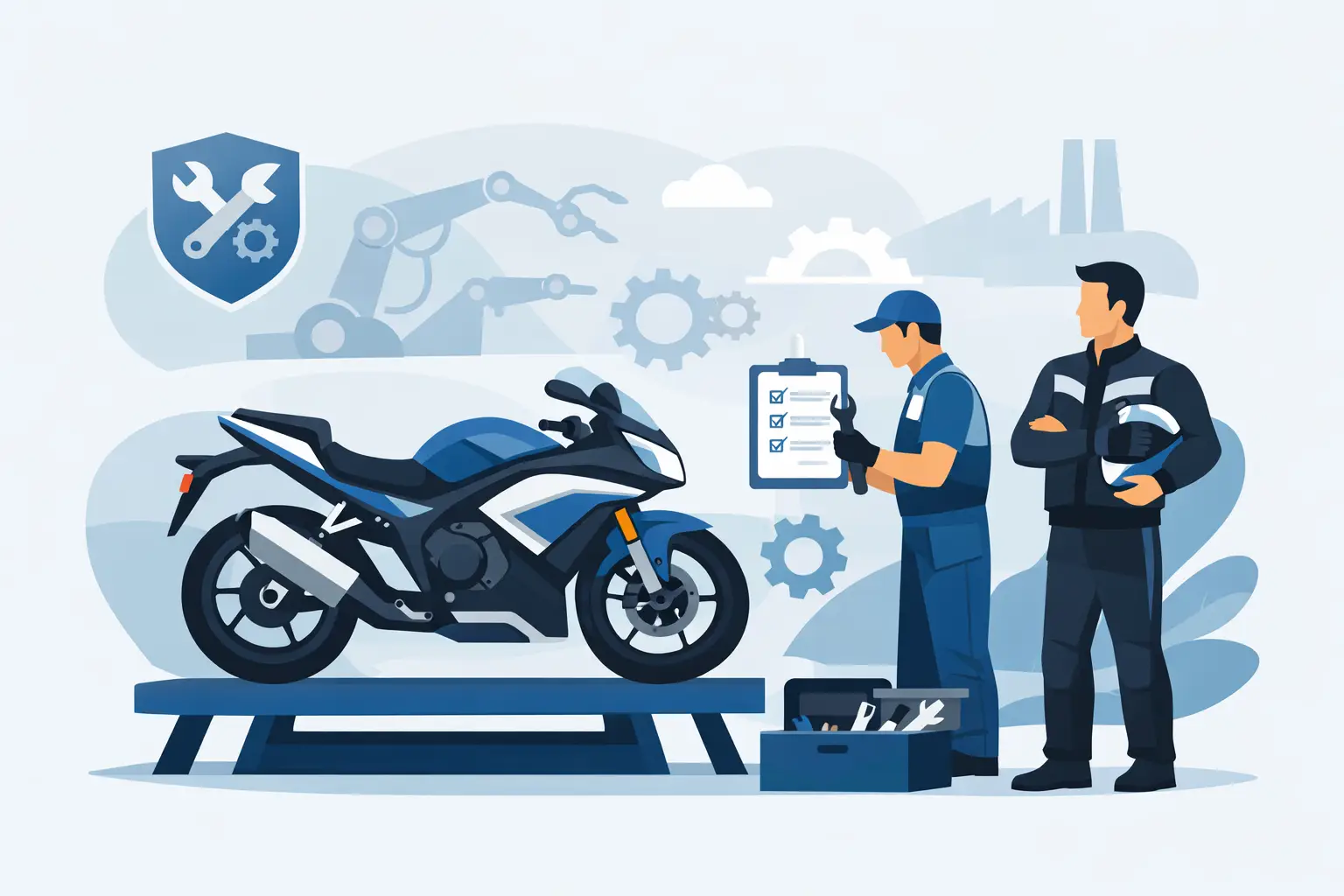
A long North Texas ride can expose a motorcycle to more than the miles on the odometer. Heat, stop-and-go traffic, rough pavement, fast highway runs, and changing weather all place demands on the engine, brakes, tires, suspension, and electrical system. That is where factory motorcycle service benefits become practical, not just promotional. The right service department helps you protect the motorcycle you bought, the rides you have planned, and the value you may want to preserve when it is time to trade up.
For Indian Motorcycle owners, factory-aligned service means maintenance and repairs are approached with an understanding of the model, its systems, and its intended performance. It is a better fit than treating a premium motorcycle like a generic machine that happens to have two wheels.
What Factory-Aligned Motorcycle Service Means
Factory service does not mean every job has to be complicated or expensive. It means the technicians, diagnostic process, replacement parts, and maintenance procedures are built around manufacturer guidance. Your motorcycle is evaluated according to the service intervals and specifications created for that platform.
That matters whether you ride a Scout, Chief, Challenger, Chieftain, Roadmaster, or an Indian Motorcycle from the Elite lineup. A cruiser used for weekend rides has different needs than a loaded touring bike that spends days on the highway. A bagger with performance upgrades may need a more careful look than a stock standard model. Factory-trained technicians know where to start and what details deserve attention.
At Denton Indian Motorcycle, that brand-specific focus gives local riders a place to handle routine care, diagnostics, genuine parts, and service questions under one roof.
Factory Motorcycle Service Benefits That Matter on the Road
The most obvious benefit is confidence. Before a ride, you want to know the motorcycle starts cleanly, stops predictably, tracks straight, and does not have an avoidable issue waiting to show up 100 miles from home. Regular professional inspections can identify wear before it becomes a roadside problem.
Maintenance follows the motorcycle, not a guess
Oil changes, fluid checks, brake inspections, belt or drive-system evaluations, battery testing, tire condition, and scheduled adjustments are basic ownership items. The difference is in the details. Factory service information provides the correct intervals, fluid requirements, torque values, software procedures, and inspection points for your specific motorcycle.
Skipping maintenance rarely creates an immediate disaster. More often, it lets small concerns stack up: aging brake fluid, a weak battery, tires nearing the end of their safe life, a fluid seep, or a component that has loosened over time. Addressing those items during scheduled service is usually simpler than waiting for a breakdown.
Technicians can diagnose modern systems accurately
Today’s motorcycles are more advanced than many riders realize. Ride modes, electronic throttle control, anti-lock braking systems, traction control, infotainment, charging systems, sensors, and software all add capability, but they also require the right diagnostic approach when something is not right.
A warning light or a rough-running complaint does not always point to one obvious failed part. It can involve a sensor reading, a wiring connection, a stored fault code, a calibration issue, or a maintenance condition that affects overall performance. Factory-trained technicians have access to manufacturer procedures and diagnostic tools designed to narrow the issue down efficiently.
That does not mean an independent shop cannot perform quality work. Many do. The trade-off is specialization. For routine work on an older, simple motorcycle, a trusted local independent may be a sensible option. For warranty concerns, software-related issues, model-specific diagnostics, or complex repairs, factory-aligned service often provides a clearer path.
Genuine parts are designed to fit and function correctly
Replacement parts are not all equal, especially on a motorcycle where space is limited and components work closely together. Genuine Indian Motorcycle parts are designed for the intended application. That can matter for filters, brake components, electrical parts, drive-system pieces, gaskets, switches, and accessories.
Aftermarket parts can be a good choice when a rider has a specific performance, styling, or budget goal. The key is using products that match the motorcycle and are installed correctly. A factory service department can help separate a worthwhile upgrade from a part that creates fitment problems, electrical complications, or reduced reliability.
Service records help protect resale and trade-in value
A well-maintained motorcycle tends to inspire more buyer confidence than one with an unclear history. Service records show that the owner paid attention to required maintenance and responded to issues rather than ignoring them. That can support a stronger private-sale conversation and may help when evaluating a trade-in.
Records do not guarantee a certain resale value. Mileage, condition, market demand, modifications, and the model itself all matter. Still, documented care is one of the few ownership factors you can control from day one. Keep copies of service invoices, note major upgrades, and be ready to show the next owner that the bike was maintained with purpose.
When Factory Service Is Especially Worth It
Some service visits are more important than others. If your motorcycle is under a manufacturer warranty, factory-aligned service is often the smart move for covered repairs and documentation. The same is true when a recall, service campaign, or manufacturer update applies to your motorcycle.
It is also a strong choice before a major trip. A pre-ride inspection can look at tires, brakes, fluids, battery condition, lights, drive components, and any concerns you have noticed around town. Touring riders preparing for a run through the Hill Country or a multi-state trip do not want to discover a worn tire or charging issue after the luggage is packed.
Bring the motorcycle in when the signs are subtle, too. New vibration, unusual noises, harder starting, a change in braking feel, uneven tire wear, fluid spots, or a warning indicator deserve attention. Waiting for a symptom to become constant may turn a manageable repair into a bigger interruption to your riding season.
The Convenience Factor Is Real
There is a practical value in having a dealership that understands your motorcycle beyond the initial sale. You can schedule maintenance, ask about genuine accessories, discuss a repair, explore a performance-minded upgrade, and get a clearer picture of the bike’s condition in one place.
That convenience is especially useful for riders considering their next move. Maybe your current cruiser needs service before trade-in, or maybe a touring model is starting to make more sense for the way you ride now. Keeping the motorcycle maintained gives you options. You can continue enjoying it with confidence or present it in better condition when you are ready to upgrade.
Factory service is not about taking the fun out of ownership with a checklist. It is about keeping the motorcycle ready for the reason you bought it in the first place: the early start, the open road, the stop that turns into a conversation, and the ride home when you take the long way because the bike is running exactly as it should.