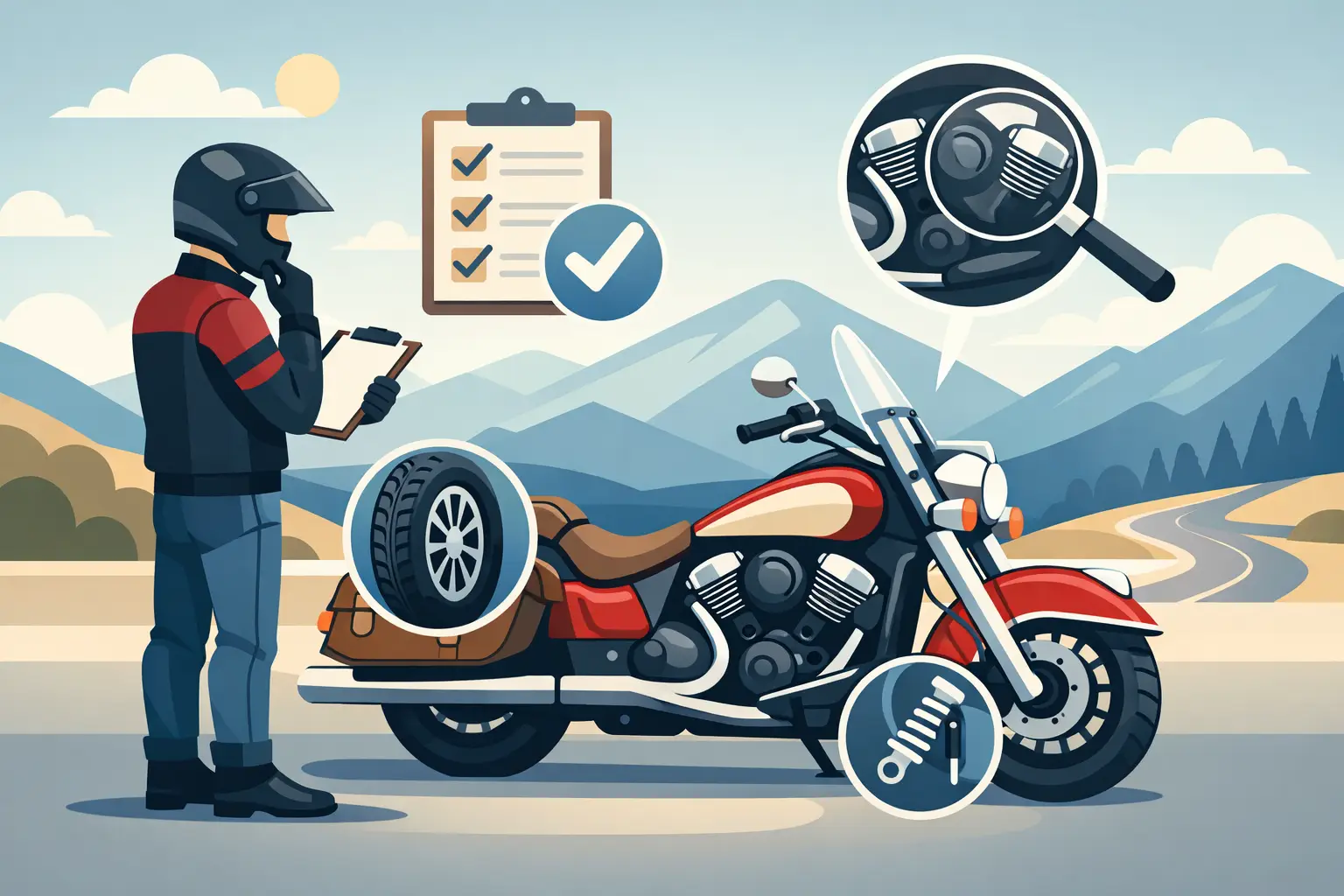
The parking-lot view can tell you whether a motorcycle looks right. An Indian Motorcycle test ride tells you whether it belongs in your garage. The seat, engine character, low-speed balance, wind protection, and control layout all feel different once the bike is moving. For North Texas riders deciding between a cruiser, bagger, or full touring model, that time in the saddle is where a good-looking choice becomes a confident one.
A test ride is not about trying to push a motorcycle to its limit. It is about learning how naturally it fits the way you actually ride: through Denton traffic, out on open county roads, on a weekend trip, or with a passenger and packed saddlebags.
Prepare for Your Indian Motorcycle Test Ride
Arrive ready to ride, not just ready to shop. Bring the motorcycle endorsement required for your license, appropriate riding gear, and any required proof of insurance. A full-face or approved helmet, eye protection, jacket, gloves, long pants, and over-the-ankle footwear give you a clearer, safer impression of the motorcycle than casual clothing ever will.
Before scheduling, think honestly about your current bike and where you want your riding to go. A rider moving up from a midsize cruiser may be drawn to the presence of a large bagger, but should still pay close attention to its weight at a stop. An experienced touring rider may find a smaller model more enjoyable for quick local rides. Neither answer is wrong. The right motorcycle depends on the miles ahead, not just the badge on the tank.
If you have a trade-in, bring it along or have its details available. Knowing its estimated value can make it easier to compare purchase and financing options once you have found a bike that feels right.
Start With Fit Before the Engine
When you first sit on the motorcycle, take a moment before starting it. Put both feet down as you normally would at a traffic light. You do not need to be perfectly flat-footed on every model, but you should feel planted and able to manage the bike with confidence. Notice whether the seat supports your hips comfortably and whether your knees are sharply bent or relaxed.
Reach for the handlebars without leaning forward or locking your elbows. Your wrists should stay neutral when your hands rest on the grips. Then find the clutch, front brake lever, shift lever, rear brake pedal, turn signals, and touchscreen or instrument controls. A premium motorcycle can have impressive equipment, but it should not make basic operation feel complicated.
Ask about available seat options, reduced-reach components, handlebar setups, and accessories if the initial fit is close but not perfect. Small changes can make a major difference over a full day of riding. A dealership that supports parts and service after the sale can help you set up the motorcycle for the rider you are, rather than expecting you to adapt to an uncomfortable configuration.
What to Feel on the Road
Use the first few minutes to learn the motorcycle at low speed. Ease away from a stop, make a few normal turns, and pay attention to clutch engagement, throttle response, steering effort, and brake feel. Bigger motorcycles often feel substantial while parked, yet become surprisingly balanced once underway. Still, slow maneuvers, stop signs, and parking lots matter because they are part of every ride.
As the route opens up, roll through several gears and listen to the engine. Indian motorcycles offer distinct personalities across the lineup. Some riders want the relaxed pulse and classic stance of a cruiser. Others want the planted highway feel, storage, and weather protection of a bagger or touring motorcycle. The goal is not to decide which category is best in general. It is to decide which one makes you want to take the long way home.
Pay attention to these practical areas during the ride:
- Acceleration and passing power: Does the engine respond in a way that feels controlled and useful at your normal riding pace?
- Braking confidence: Test smooth, progressive braking in a safe area. Notice lever effort, pedal feel, and how composed the bike remains.
- Wind and airflow: At higher speeds, assess the windshield or fairing. Wind protection can change how fresh you feel after two hours on the road.
- Suspension and comfort: Ride over ordinary pavement, not only perfect road surfaces. You want to know how the seat and suspension handle real North Texas roads.
Do not judge comfort after only a few blocks. Some seats feel soft at first but create pressure points after 20 minutes. Likewise, a motorcycle that feels large in the showroom may feel exceptionally stable at highway speed. Give yourself enough time to notice the difference.
Match the Model to Your Riding Plans
A Standard or Cruiser model can be the right call for riders who value a clean profile, direct road feel, and easy weekend rides. These motorcycles can also be a smart choice for commuters who do not need hard luggage or a large fairing every day.
Baggers add practical storage and wind coverage while keeping a purposeful, lower-slung look. They suit riders who want to cover serious distance, head to local events, or carry gear without stepping all the way into a dedicated touring platform. If you ride with a passenger often, check the passenger seat space, backrest options, and how the motorcycle behaves with added weight.
Touring models make sense when long interstate stretches, multi-day trips, and passenger comfort are central to the plan. Features such as larger fairings, integrated luggage, ride modes, navigation-capable displays, and audio can be meaningful on extended rides. They also add complexity and weight, so make sure those benefits match your routine.
Elite models appeal to riders looking for distinctive finishes and premium equipment, but the same rule applies: choose the motorcycle you will ride. A limited-production appearance is rewarding when it fits your habits, not when it leaves you wishing you had selected a different platform.
Ask Questions That Matter After the Ride
The best questions begin after the engine is off. Talk through the model’s service intervals, available factory-aligned maintenance, warranty coverage, accessory options, and the features you did or did not use during the ride. If a particular system felt unfamiliar, ask for a walkthrough rather than assuming it will make sense later.
This is also the right time to compare new and pre-owned choices. A new motorcycle may offer the exact color, current technology, and warranty coverage you want. A pre-owned model may provide an attractive path into a higher category or leave room in the budget for luggage, performance accessories, riding gear, and service. Condition, maintenance history, miles, and the way the bike was equipped all deserve a close look.
At Denton Indian Motorcycle, riders can discuss the motorcycle itself alongside financing, trade-in value, parts, and ongoing service support. That matters because the purchase price is only one part of ownership. The better question is whether the complete plan works for your budget and riding goals.
Give Yourself Permission to Compare
If two motorcycles both make sense, ride both. Back-to-back test rides reveal details that memory tends to blur. One may have the seat height you prefer, while the other has the highway protection you did not realize you wanted. A slightly lower payment is valuable, but so is choosing a motorcycle you will be excited to maintain, personalize, and ride regularly.
There is no prize for buying the biggest model, the most equipped model, or the bike someone else recommends. The right choice should feel manageable when you pull away, comfortable when the road gets rough, and rewarding when the route turns into an all-day ride. Schedule the ride, ask direct questions, and let your time in the saddle make the decision clearer.